I. Introduction
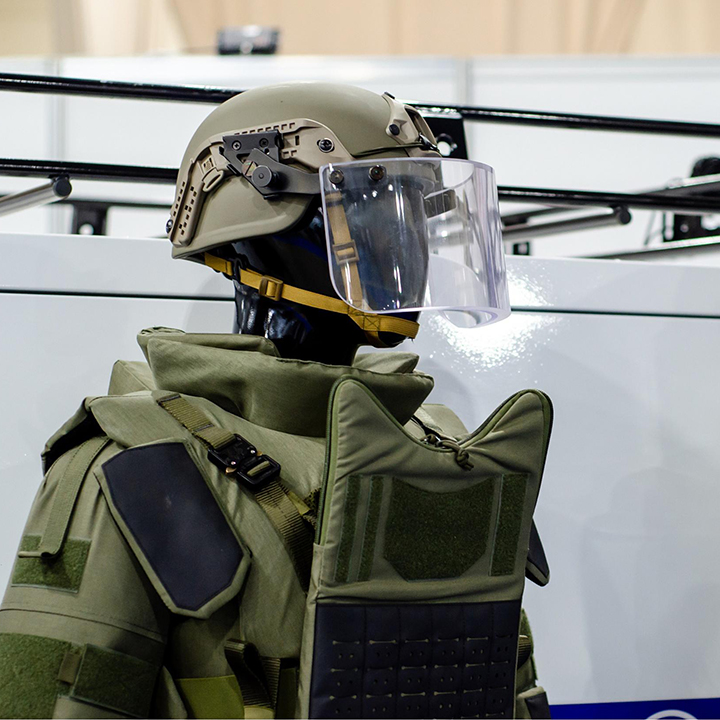
As the global security environment becomes more complex, demand for body armor, ballistic helmets, armored vehicles and related protective products continues to grow. This article reviews the market outlook from the perspectives of demand, competition, technological development and policy.
II. Market Demand
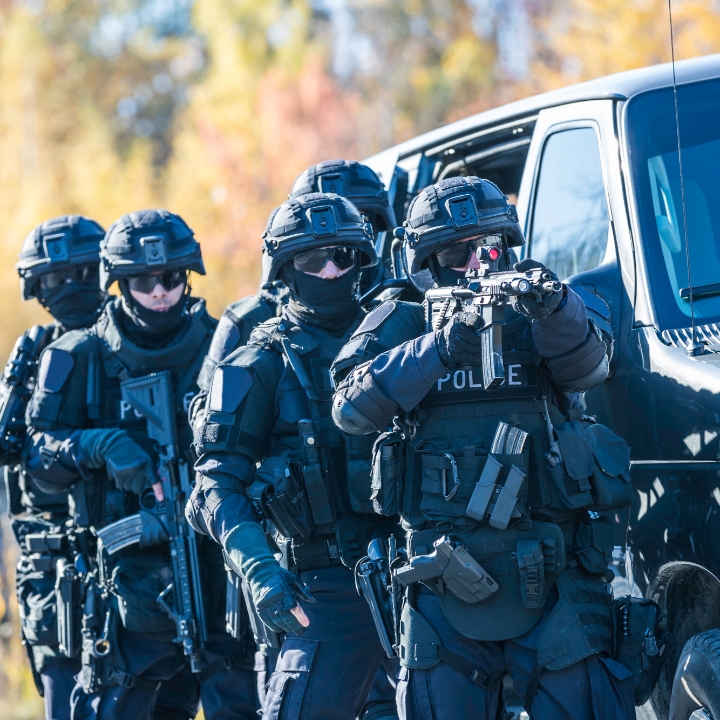
Law-Enforcement Market
The expansion of law-enforcement activities has increased demand for reliable protective equipment. Government procurement programmes and greater public attention to officer safety support continuing investment in body armor, helmets, shields and vehicle protection.
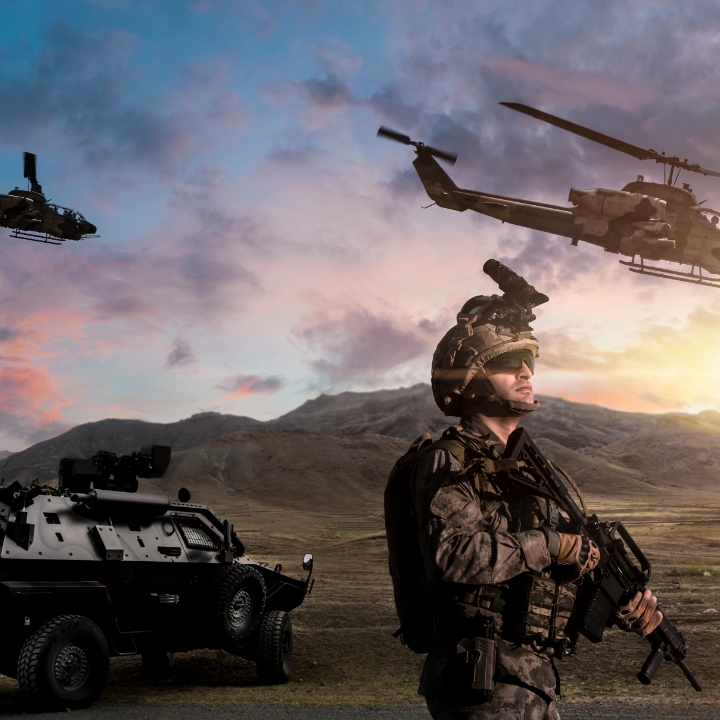
Military Market
Regional conflicts and evolving operational requirements place greater emphasis on soldier survivability and mobility. Armed forces therefore seek higher-performance systems that combine ballistic protection with reduced weight, improved ergonomics and modular integration.
Civilian Market
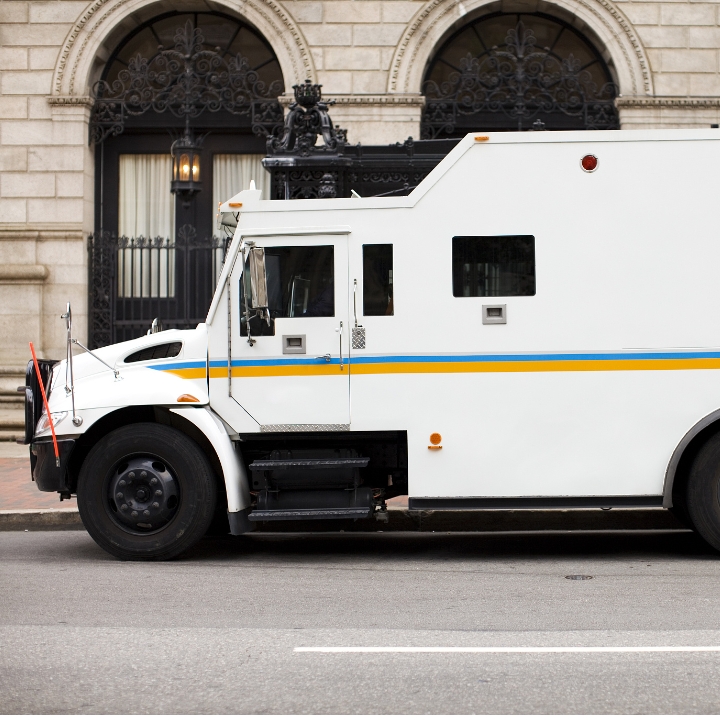
Public awareness of personal safety has also created specialist civilian demand. Corporate security teams, high-net-worth individuals, executives and government or critical-infrastructure organisations may require discreet body armor, protected transport and site protection.
III. Competitive Landscape
The market includes major defence and police-equipment manufacturers as well as emerging private companies. Competition is increasingly based on verified protection performance, product quality, delivery capability, customization and after-sales service. Manufacturers must strengthen quality management and build trustworthy brands rather than compete on price alone.
IV. Technology Development
Advances in high-strength fibres, ceramics, multilayer composite structures and manufacturing processes continue to reduce weight while maintaining or improving protection. Smart armored vehicles and connected protective systems are also expanding the role of sensing, communication and situational awareness.
V. Policies and Regulations
Government procurement, certification requirements and industrial support policies can accelerate market growth. At the same time, restrictions on civilian possession, export controls and differences between national ballistic standards create compliance requirements that must be evaluated for each market.
VI. Conclusions and Recommendations
The market outlook for ballistic protection remains broad, supported by law-enforcement, military and specialist civilian demand. Manufacturers should continue investing in research and development, improve product quality and service, obtain appropriate testing and certification, and build long-term customer confidence through transparent technical documentation and dependable support.