Blast suppression blankets are flexible emergency devices designed to reduce the shockwaves, fragments and heat generated by a small explosive device. Their portability makes them especially useful in metro security screening, where a suspicious item may need to be isolated immediately before specialist personnel arrive.
I. Application Scenarios
1. Temporary Handling of Suspicious Items
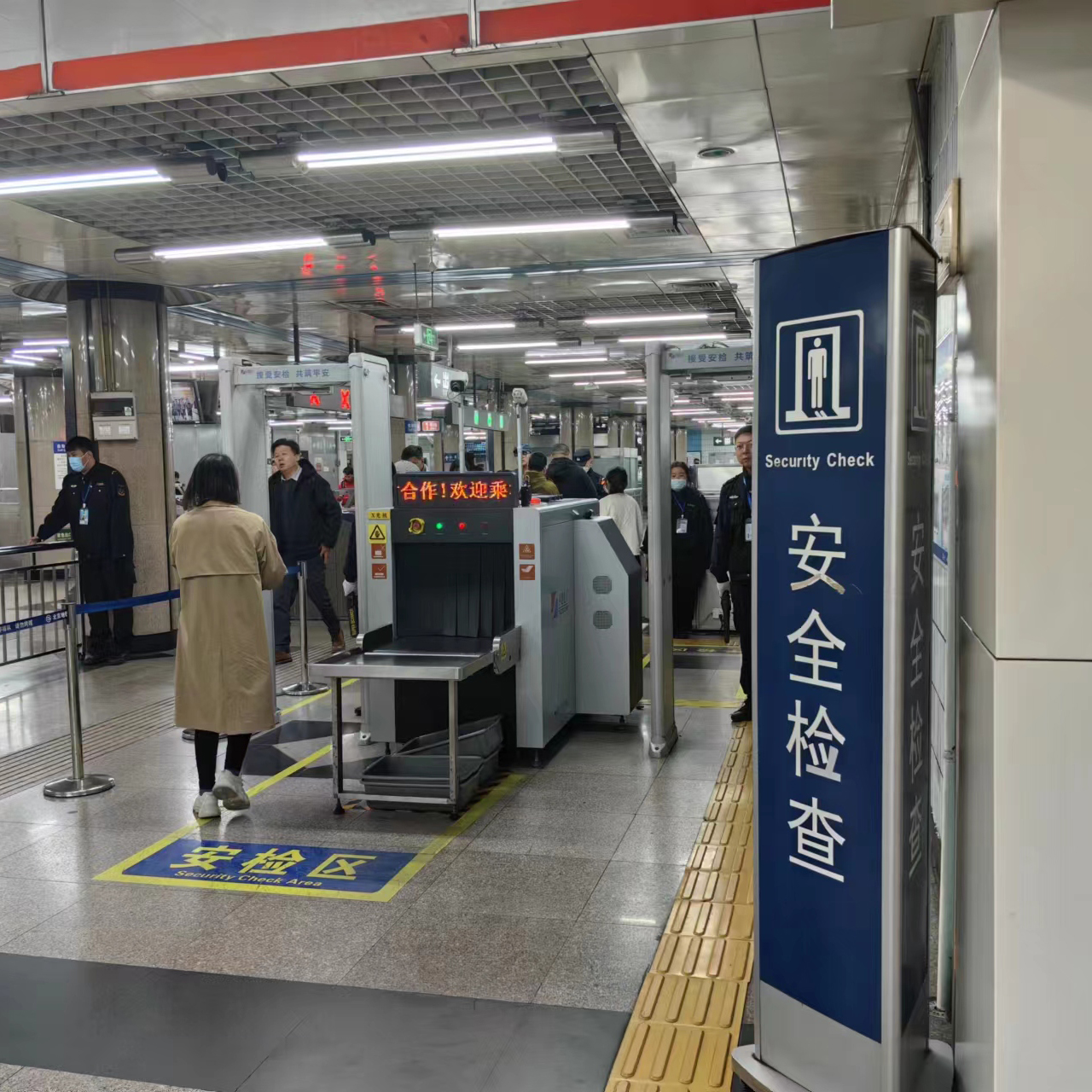
When security staff identify a suspicious bag or object with an X-ray scanner, liquid detector or visual inspection, a blast suppression blanket can be deployed rapidly to cover it. During a suspected improvised explosive device incident in the Beijing metro in 2021, temporary isolation measures helped establish a safety perimeter while the EOD team investigated.
2. Protection in Key Areas
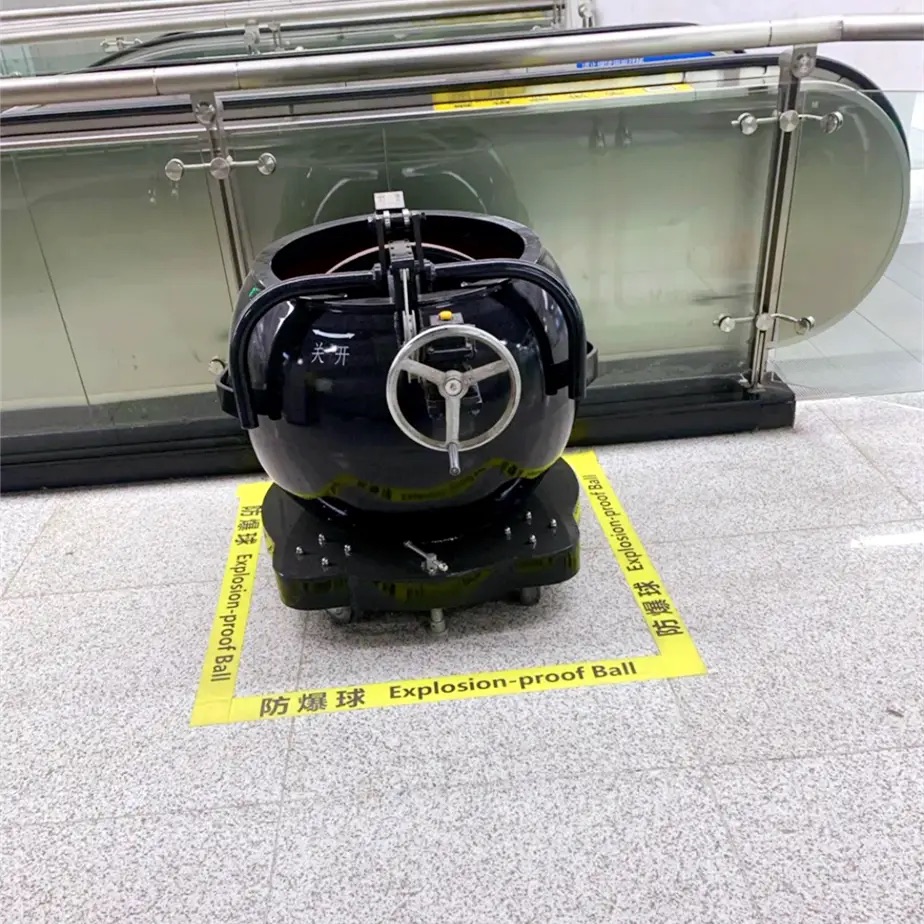
Blankets can be stored near station halls, security checkpoints and ticketing machines. They are often paired with blast-resistant vessels or spheres to form a layered protective system. Some overseas metro systems, including London, combine physical protection with intelligent video monitoring to detect abnormal behaviour and guide emergency response.
3. Standardized Emergency Procedures
Trained teams can follow a simple three-step process: detect, cover and transfer. With regular drills, the initial isolation can normally be completed within three to five minutes, reducing exposure before the arrival of specialist units.
II. Technical Characteristics
Modern blankets commonly use multiple layers of aramid fibre such as Kevlar or ultra-high-molecular-weight polyethylene (UHMWPE). Depending on the design, a blanket may be rated for a threat equivalent to approximately 200 g TNT. Many units weigh less than 30 kg and can be carried and deployed by one trained person. Future products may integrate pressure, heat or gas sensors to provide real-time status information.
III. Advantages and Limitations
- Rapid and flexible: No fixed installation is required, and the blanket can be deployed around objects of different shapes.
- Visible deterrence and reassurance: Emergency equipment demonstrates preparedness to passengers and potential offenders.
- Cost-effective: Blankets are simpler to deploy at multiple points than large fixed blast structures.
- Limited capacity: They are intended for relatively small explosive devices and cannot replace a rated containment vessel or full evacuation when the threat is larger or unknown.
IV. Coordination with Other Equipment
Terahertz imaging and trace detectors can help classify the object before approach. EOD robots can move the covered item into a transport vessel, while smart-metro systems can transmit incident location, video and equipment status to the command centre.
V. Development Trends
Remote deployment by robotic arms or small unmanned platforms will further reduce operator exposure. Shenzhen and other cities have explored automated emergency equipment, while augmented-reality training can improve staff readiness and public safety education.
Conclusion
Blast suppression blankets are an important physical barrier in a prevention-response-recovery framework. Their effectiveness depends on correct placement, clear evacuation procedures and coordination with detection equipment, EOD robots, artificial intelligence and biometric security systems.