Blast-resistant spheres and containment vessels are used to isolate and suppress the shockwaves, fragments and heat generated by an explosion. They provide a temporary protective barrier during the handling and transfer of suspected explosive devices and are widely used in metro systems, airports, stations and other high-traffic locations.
I. Application Scenarios
1. Temporary Handling of Suspicious Items
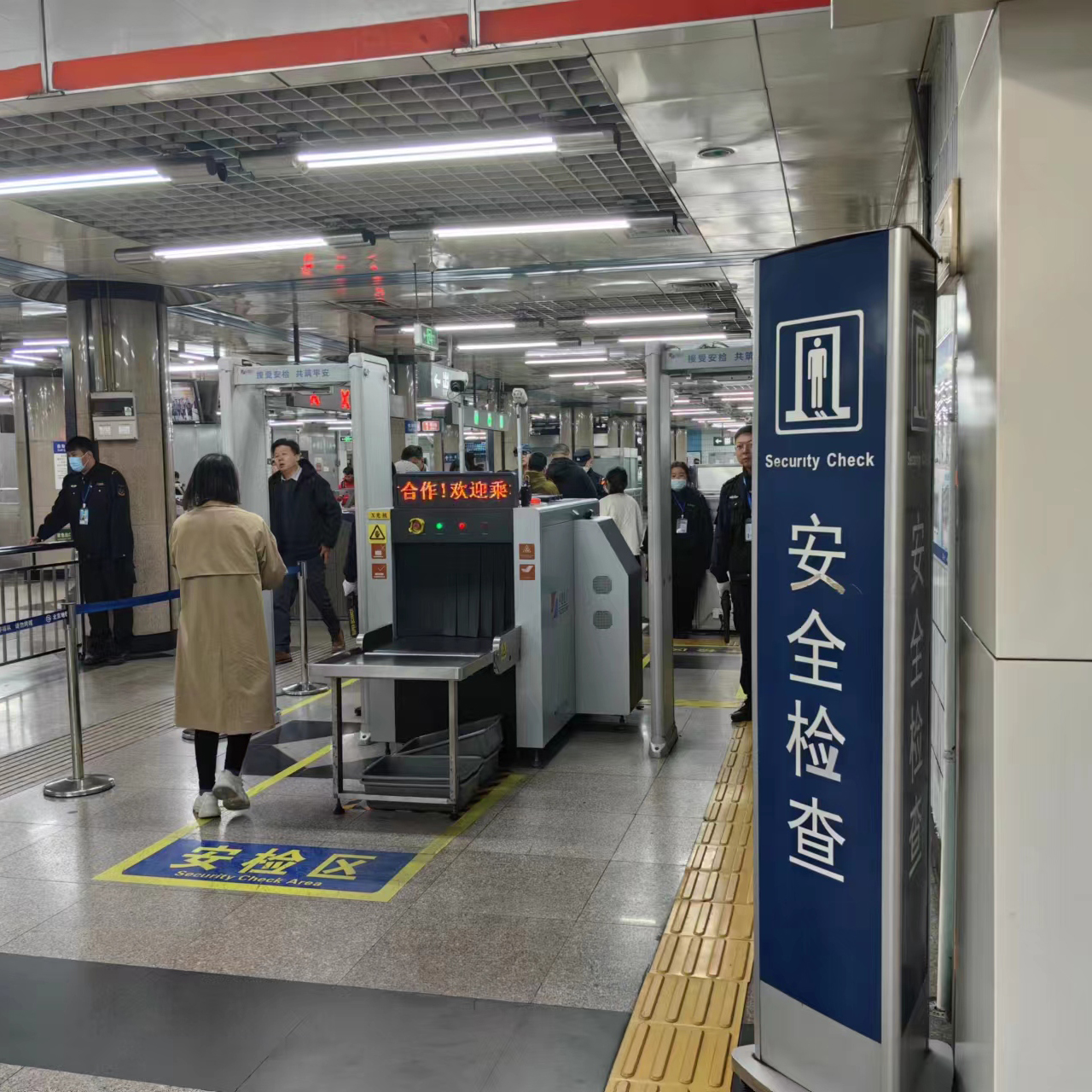
When a suspicious item is found during security screening, it can be inspected with X-ray equipment or trace detection instruments and then placed into a blast-resistant vessel. In one Suzhou metro application, the vessel was designed for an equivalent charge of up to 2.5 kg TNT. A similar installation in Hefei was rated for 1.5 kg TNT.
2. Protection in Key Areas
Containment vessels can be positioned near station halls, security checkpoints and ticketing areas. They are often used together with blast suppression blankets. Some metro systems have deployed them at every station and linked their location to intelligent monitoring systems so that staff can respond quickly when an alarm is raised.
3. Standardized Emergency Response
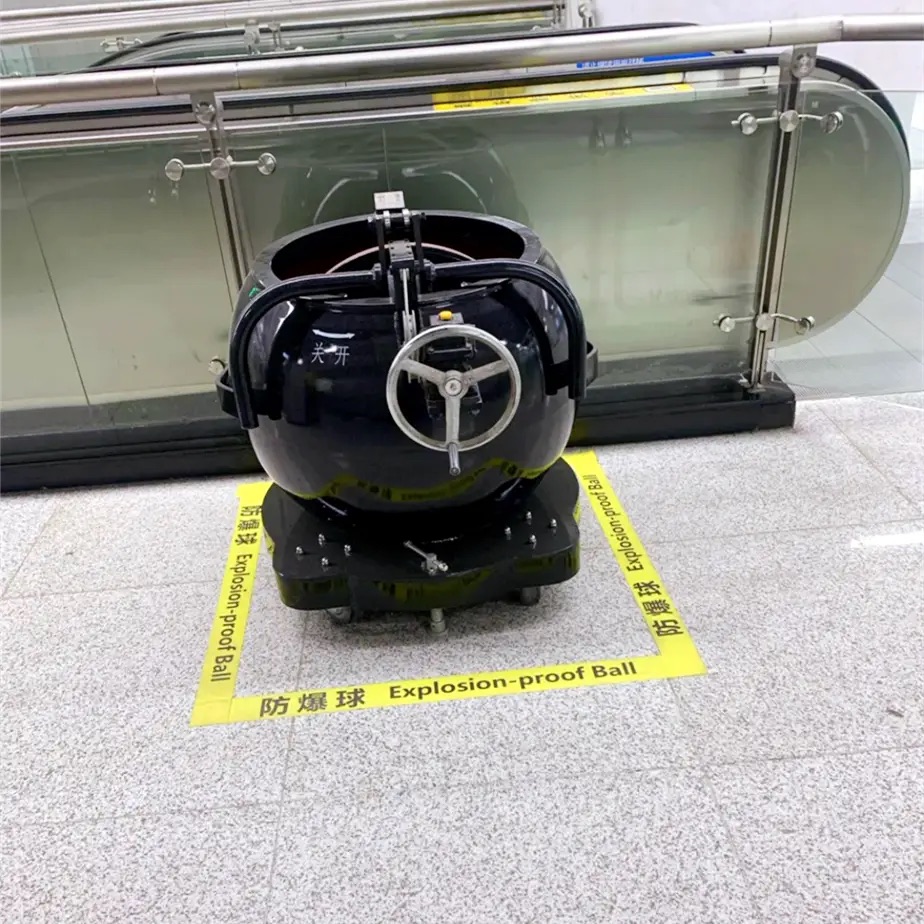
A typical response sequence is: detect the suspicious item, place it in the vessel, seal the vessel and transfer it to a safe disposal area. Designs with a rotating upper hemisphere or assisted opening mechanism help trained staff complete the operation quickly while maintaining distance from the item.
II. Working Principles and Design
Blast-resistant vessels are commonly manufactured from thick seamless steel or advanced composite structures. A representative Suzhou model weighs approximately 430 kg and is designed to withstand an internal explosion equivalent to 2.5 kg TNT. The suspicious item is positioned near the center by a suspension net, while rubber seals and structural interfaces help contain gases, fragments and electromagnetic effects.
Capacity is related to internal dimensions and structural strength. A vessel with an internal diameter of approximately 0.75 m may be rated around 2 kg TNT, while a 1 m design may reach approximately 3 kg TNT. Opening mechanisms vary; some use a rotating or lifting upper hemisphere, and certain Hefei installations use a top-mounted wheel to improve handling.
III. Advantages
- High protection: An uncontained 2 kg TNT detonation can create a lethal fragment and shockwave zone extending many metres. A properly rated vessel confines the principal effects within its structure.
- Mobility: Although heavily built, many units can be repositioned with wheels, lifting points or dedicated transfer equipment.
- Visible preparedness: Clearly deployed emergency equipment reassures passengers and deters malicious activity.
IV. Coordination with Other Equipment
Containment vessels are most effective as part of an integrated response system. Terahertz imaging and trace detectors can assist identification; EOD robots can move the object into a vessel or transfer it to a larger disposal container; and smart-metro platforms can provide location, alarm and maintenance data.
V. Development Trends
Future systems are expected to include pressure, temperature and gas sensors connected through the Internet of Things. Robotic arms and drones may reduce direct human contact, while augmented-reality training can help staff and the public understand emergency procedures.
Conclusion
Blast-resistant spheres and containment vessels are the final physical barrier in a layered metro security system. Their value depends not only on the rated explosive capacity, but also on clear procedures, trained operators and integration with detection, robotics, artificial intelligence and biometric security systems.