With the rapid development of robotics, explosive ordnance disposal (EOD) robots have become increasingly important for handling hazardous explosives, reconnaissance and rescue operations. They allow operators to inspect and manipulate dangerous objects from a safer distance.
I. Development of EOD Robots
First Generation
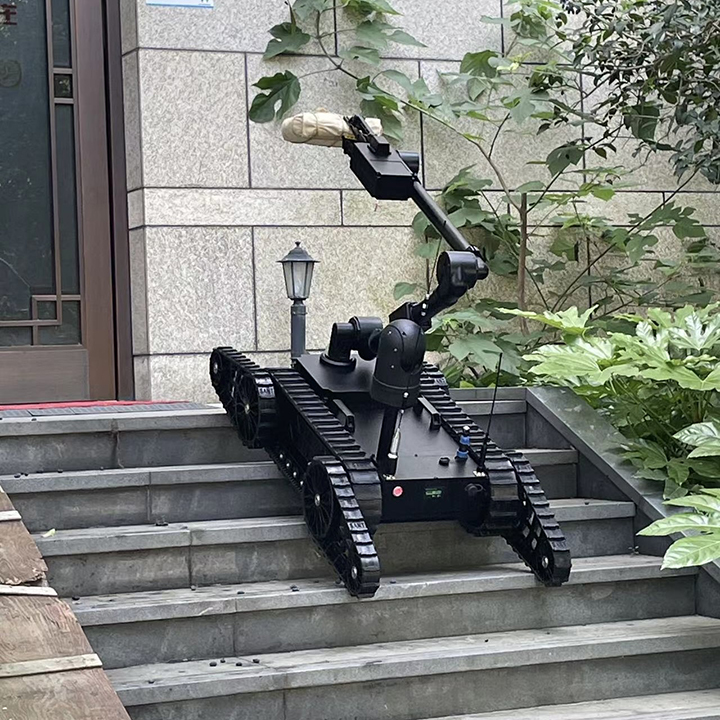
Early EOD robots appeared in the 1980s. Most used wheeled or tracked platforms fitted with a simple manipulator and camera. They provided basic remote inspection and handling, but movement was slow and adaptability to stairs, rough ground and confined environments was limited.
Second Generation
From the beginning of the twenty-first century, improved sensors, navigation algorithms and artificial intelligence enabled more capable remote and semi-autonomous operation. These robots could climb obstacles, traverse difficult surfaces and provide clearer situational information to the operator.
Third Generation
Recent systems increasingly use deep learning and computer vision for target recognition, autonomous decision support and continuous learning. Advanced manipulators offer more precise handling, while improved human-machine interfaces make complex operations faster and safer.
II. Applications
Military Applications
On the battlefield, EOD robots can search for, identify and dispose of mines, unexploded ordnance and improvised explosive devices. They can also support route clearance, reconnaissance and the inspection of fortifications while reducing direct risk to personnel.
Civilian Applications
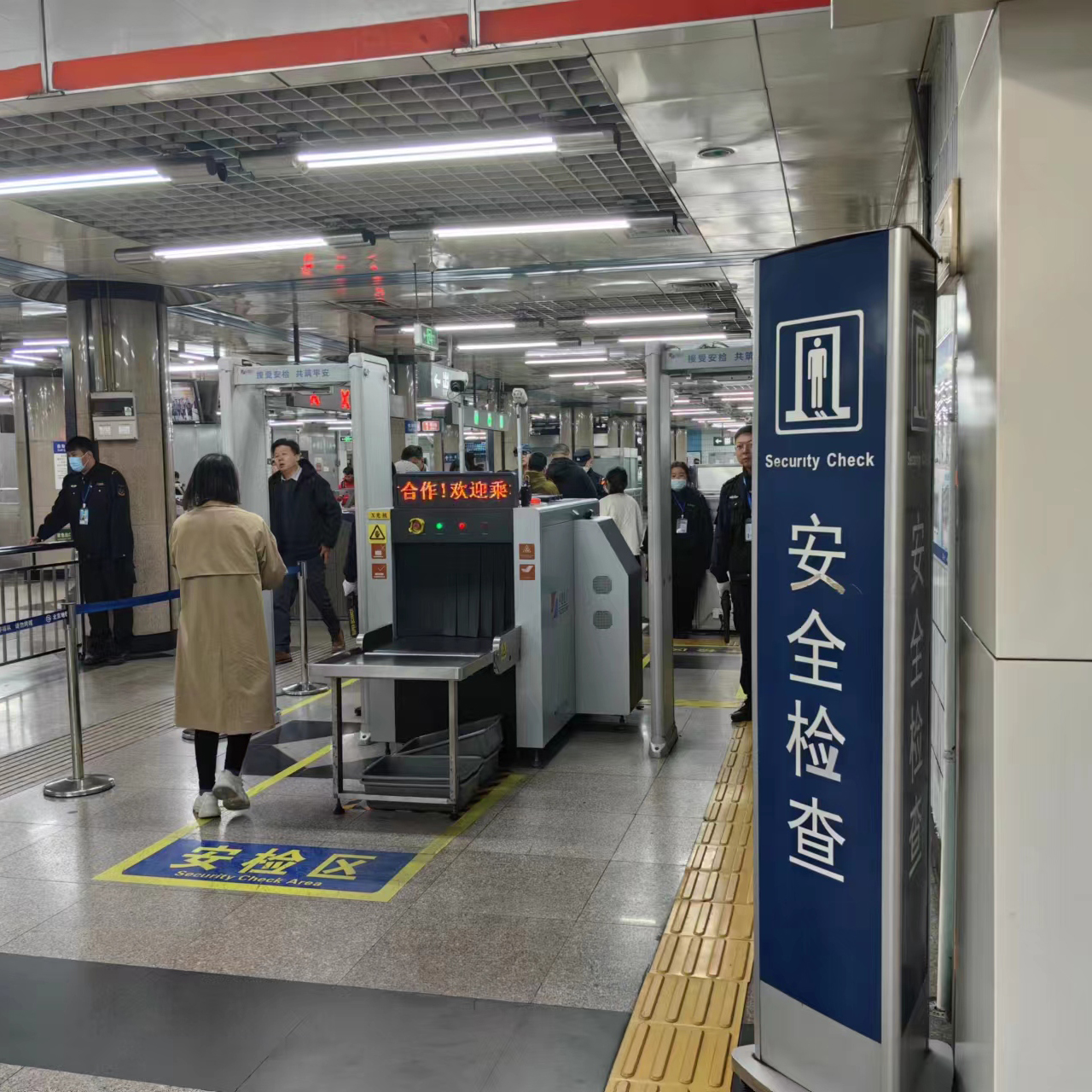
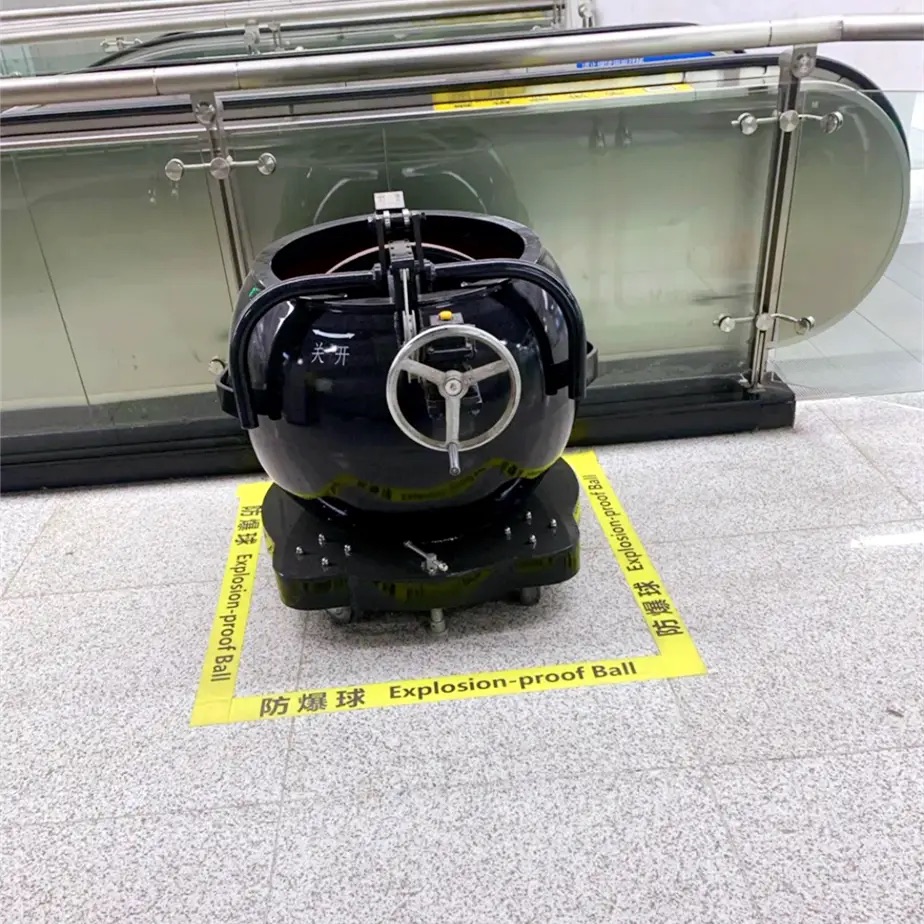
Airports, railway stations and large public venues use EOD robots during security incidents. They improve efficiency and reduce personnel exposure when examining suspicious packages. The same platforms can assist rescue and firefighting teams in environments that are toxic, unstable or too dangerous for immediate human entry.
III. Future Trends
More Intelligent Systems
Future robots will combine advanced sensors, computer vision and decision algorithms to improve recognition, route planning and collaborative operation.
Miniaturization
Progress in microelectronics and materials will enable smaller platforms that can enter narrow spaces, operate discreetly and carry specialized sensors.
Cloud Connectivity
Cloud-connected systems can share perception, mapping, decision and maintenance data. Multiple robots may collaborate under a common command platform, while remote diagnostics improve availability.
IV. Conclusion
EOD robots have evolved from basic remote-control machines into intelligent operational platforms. Continued development in autonomy, miniaturization, networking and manipulation will expand their value in both military and civilian safety missions.